

Dear Family and Friends of St Anne’s
It is hard to believe that we have been at school for a mere few weeks as so much has happened, with the arrival and settling in of our new Grade 8s, the hive of activity in the classrooms, the busyness of sport, (with many practices, matches, galas, and tournaments), Choir camp, play rehearsals, excursions for subjects, and a flurry of a few cases of pink eye which happily have passed!
Our new staff have settled in seamlessly and we anticipate with excited curiosity the expertise and value each of them will bring. Our Grade 12s have set a very positive tone in the leadership of our college and we look forward to what lies ahead this year. Our Grade 8s have started very well, and the few bouts of homesickness are to be expected … and generally mean that the girl is much loved and home is a special place!
This holiday, I read an excellent book, titled, The Making of Her, by the highly regarded former Head of St Pauls’ Girls’ School in the UK. She delves into numerous aspects of girls’ education, and one of her convictions which I thought worth sharing here is that, “I remind myself that schools are there not just to prepare young people for the world as it is, but also to help shape the world. [The young] are the influencers of the future and will be making decisions about our lives, very soon. They will also be the parents of the generation that will follow. It takes twenty-first-century thinking to shape twenty-first-century education.” (p 149) As a college, we regularly spend time considering the curriculum and its relevance, and how various aspects could be conveyed more effectively, and what skills need to be further developed for efficacy in the world beyond St Anne’s. We were delighted then when we were approached about being one of the hosts for Investec’s NextGen event.
Details of Investec’s NextGen event will be emailed to parents and we hope that you will join us for this thought provoking and relevant discussion on 11 February, from 17h30 – 19h30, in our Indoor Centre, or online. Our girls from Grades 9-12 will attend the live stream here at St Anne’s, and I am sure will benefit from being shown challenging and exciting lenses through which to view the future which awaits.
I hope you enjoy reading this Blue Note, our first edition of 2026.
Mrs Debbie Martin (COLLEGE HEAD)

A WARM WELCOME
A warm welcome from the Board of Governors
We extend a warm welcome to all members of our school community as we begin a new academic year. A special word of welcome goes to our new Grade 8 families – we are delighted that you have chosen to join our College and we look forward to the journey ahead with you as you become part of our community.
We also take this opportunity to congratulate the Class of 2025 on their excellent matric results. These achievements reflect not only the commitment and hard work of our students, but also the dedication, expertise, and care of our academic staff. The Board sincerely thanks the entire teaching and support team for the vital role they played in guiding and supporting the Class of 2025 to such success.
The year has started with positive energy and a sense of renewal. We are excited about the opportunities that lie ahead and are confident that the year will be one of growth, engagement and continued excellence.
On behalf of the Board, we wish the College, its staff, students, and families a rewarding and fulfilling year ahead. We thank you for your ongoing support and commitment to our school community.
Mrs Alison Jackson (BOARD CHAIR)
HONOURS AWARDS
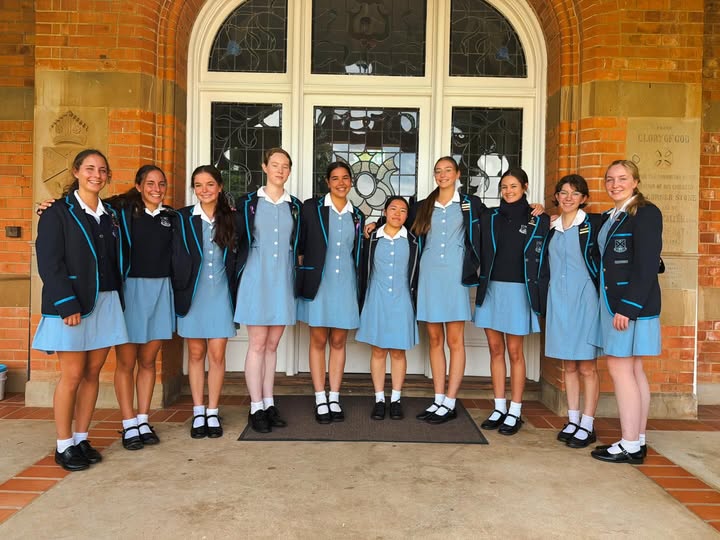
FINDING OUR FEET: NEW GIRLS SETTLING INTO HIGH SCHOOL
By Mrs Minthra Baijnath (Grade 8 Head)
Starting high school is a big step, and for the new girls this year, the journey began with a warm and exciting orientation programme designed to help everyone feel welcome, confident, and ready for the years ahead.
The orientation kicked off with a guided tour of the school, introducing students to the many important venues they will soon know by heart. From classrooms and laboratories to the library, sports facilities, and offices, the tour helped turn what once felt like a maze into a familiar and friendly space. Knowing where to go — and who to ask for help — made a huge difference in easing first-day nerves.
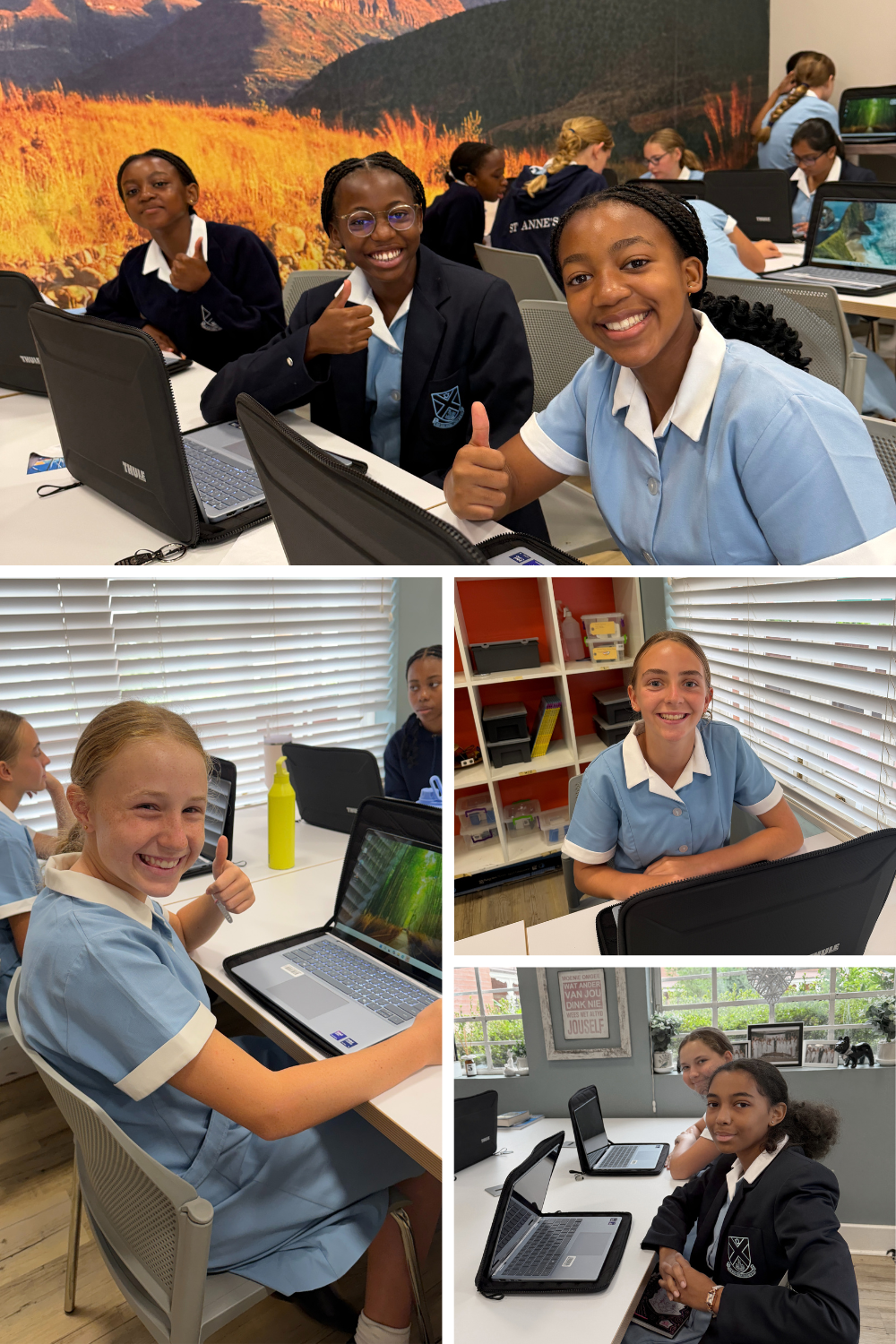
One of the highlights of the programme was the laptop introduction session. Grade 8s were guided through the basics of using their laptops responsibly and effectively for learning. This session not only introduced new technology but also showed how digital tools will support lessons, research, and collaboration throughout high school. For many, it was an exciting glimpse into a more independent and modern style of learning.
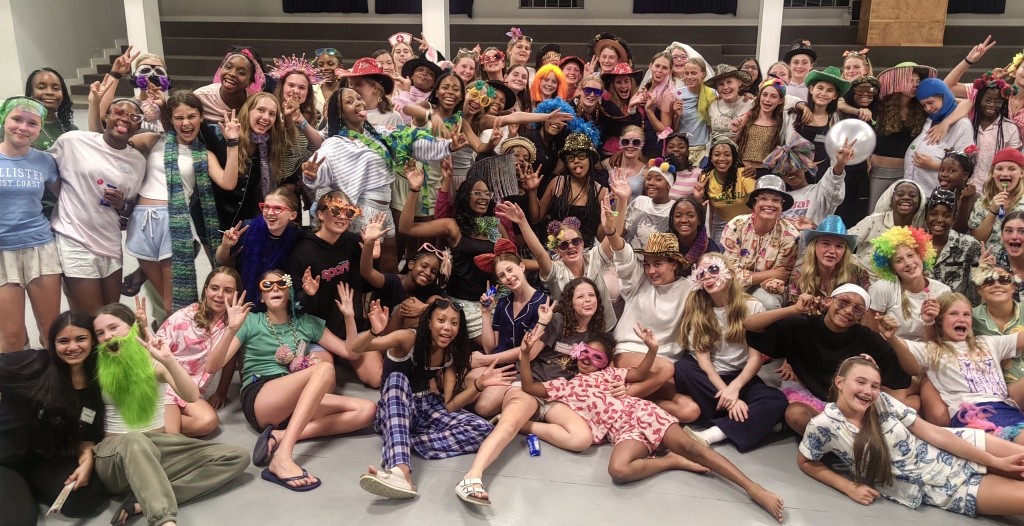
Of course, orientation wasn’t all about rules and routines. Fun games and icebreaker activities played a big role in bringing everyone together. Laughter filled the campus as students worked in teams, shared stories, and learned more about one another. These activities made it easier to start conversations, form friendships, and realise that everyone was feeling the same mix of excitement and nervousness.
Perhaps the most important outcome of the orientation was the chance to meet new friends. By the end of the programme, unfamiliar faces had already become friendly ones, and small groups were forming with shared interests and smiles.
As the new girls settle into high school life, the orientation served as a strong and positive beginning. With new skills, new friendships, and a better understanding of their surroundings, they are now ready to take on this exciting new chapter with confidence and enthusiasm.

GRADE 8 BOOTCAMP
By Mrs Morag le Roux (Head of IDL)
It’s always interesting to observe the Grade 8s’ reaction to the new digital landscape into which they find themselves thrust when they join St Anne’s. It invariably commences with a buzz of excitement when they receive and open their laptops for the first time. One hears comments like “Ah this is so cool” to “No ways, guys, these are touchscreens” to “I feel like a teacher”.
Some girls are not afraid to dive right in and explore the device whilst others are more hesitant and seek approval to play with settings and customization options. Regardless of their individual approaches, all the Grade 8s spent their first two academic days engaged in our IT Bootcamp in which they got a taste of the digital workflows utilized at the school on a daily basis. Whilst seemingly overwhelming at times, the aim of these two days is to build a digital foundation on which teachers in all the other subjects build, in an attempt to foster cognitive automaticity – that is the use of all our thought processes on the task at hand, without having to think about the mechanism being used.
By all accounts, this group of Grade 8s has managed admirably in this new digital landscape and they have slotted into the daily routine relatively seamlessly.
DRAMATIC ARTS – A PROPELLOR FOR LIFE!
By Ms Lynn Chemaly (Head of Theatre)
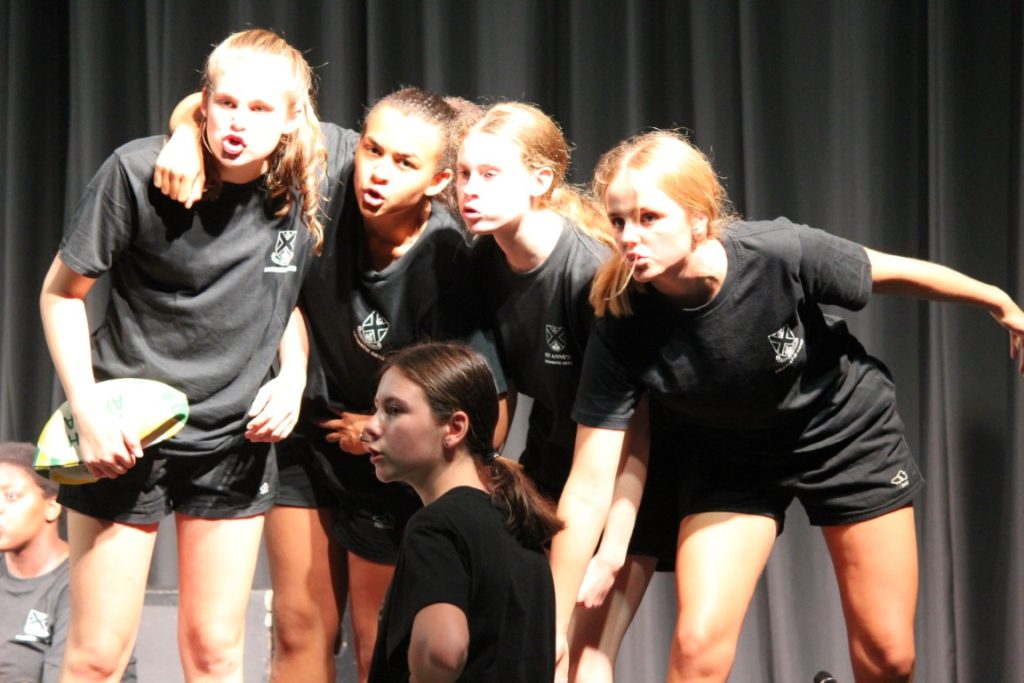
On the back of our excellent Matric results, we continue to celebrate the legacy of Dramatic Arts and Theatre Production at St Anne’s. Over the past 25 years, Dramatic Arts has consistently stood out as a leader in Matric subject distinctions, contributing to a strong and vibrant cultural dynamic within the school. Our excellent facilities give us a real advantage in offering a diverse and wide-ranging production programme.
As we begin our 26th Grade 10 Dramatic Arts Residency next week, this moment invites reflection and reaffirms our belief in the value of this unique and longstanding programme. The Residency launches our Grade 10 Dramatic Arts students into their studies by equipping them with immediate skills and confidence. The programme offers the girls four-hour daily sessions over five days with a professional working in the industry, culminating in a work-in-progress performance in The Theatre for the school community.
This Grade 10 Residency marks the beginning of the girls’ journey through the Dramatic Arts Senior Phase curriculum and continues a proud legacy of education and training. Our excellent Dramatic Arts Matric results speak to the strength of our curriculum, the breadth of performances and productions staged, and, most importantly, the space drama creates for the girls to develop both themselves and their humanity. Skills such as physical dexterity, group work, articulate communication, leadership, collaboration, thinking on one’s feet, meeting deadlines, flexibility, and working under pressure are just some of the positive habits nurtured through drama. These are the skills our drama girls continue to draw on as they leave school and step into a wide range of diverse and challenging careers.
“Drama has taught me to value, understand and seek perspective. Because, having the ability to see something from another point of view awakens your mind to the possibility of change”
Patricia Chisanga (Head Girl 2025), 1st Year PPE: Politics, Philosophy and Economics (UCT)
…
“I am studying engineering at TUKS and really enjoying it but I do miss the creative outlet that drama was. I have also realised how much taking drama has helped me this year! Group work is never easy – but because of drama I know how to manage a group and get people to work together. Drama has also helped me so much with my confidence and public speaking. “
Nicki Viedge (Head of Day Girls 2024), 3rd Year Engineering (TUKS)
…
“DRAMA, I GENUINELY CANNOT THANK YOU ENOUGH!!! Not only has it been super advantageous in my legal journey, but in my university and life journey as a whole. I’ve been able to confidently stand in front of my peers at university for presentations, and put myself in front of law firm directors, government officials, and people who can get me into the right rooms and networks – all because of the skills I gained in drama. You’d be surprised how even the smallest tasks, like making friends in a new environment, are where your drama skills and expertise really shine through. And best believe, when a challenging situation erupts out of the blue, I’m able to seamlessly pivot, adapt, and proceed with a new plan because five years of playing – yes, and… will do that for you! All the skills, games, and knowledge learned in drama go way beyond the stage, the audience, the tests and exams – and far beyond what you imagine a certain career requires. Drama genuinely is a propeller for life! “
Ofentje Motubatse (Head Girl 2021), Final year LLB (UCT), Articles with Norton Rose in 2027
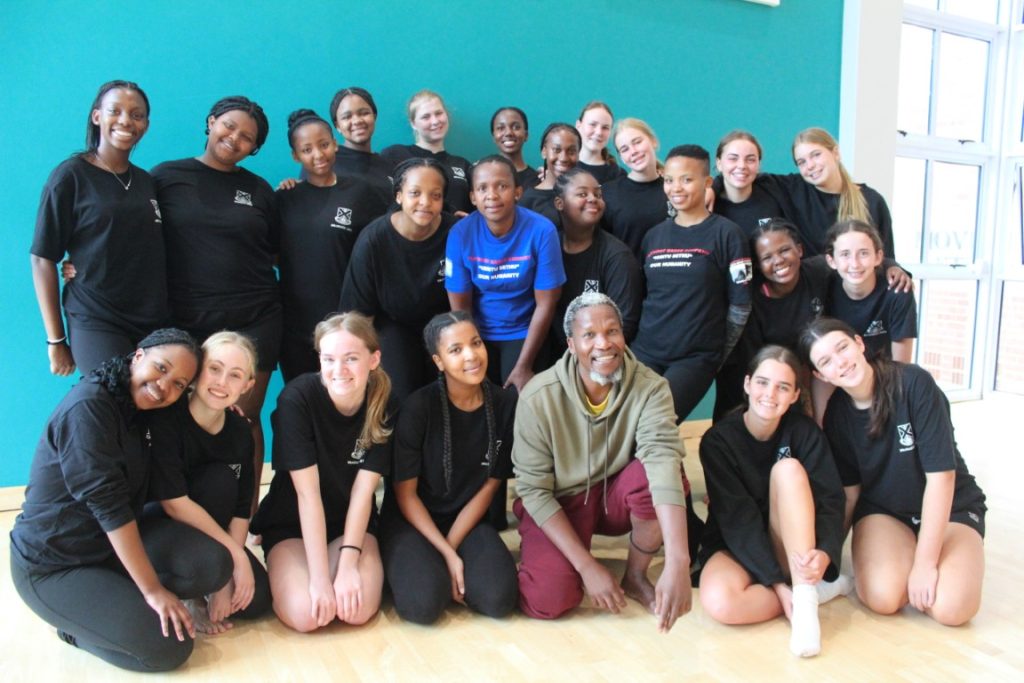
DRAMA CLASS OF 2025
85.42% St Anne’s Average
16 out of 19 achieved an A
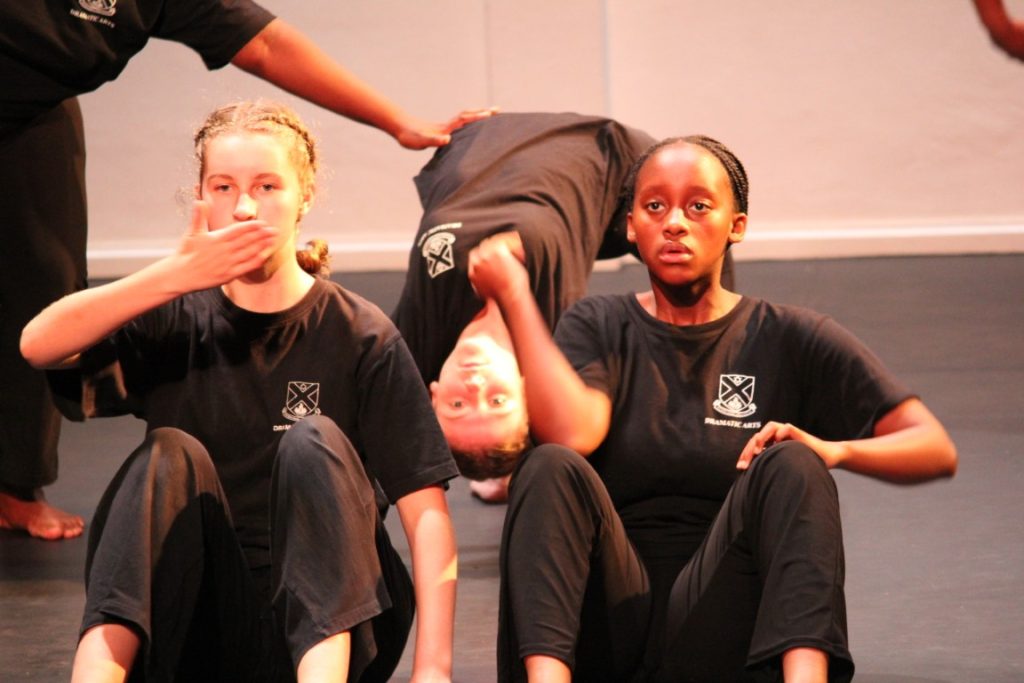
DRAMA CLASS OF 2024
82.94% St Anne’s Average
23 out of 31 achieved an A
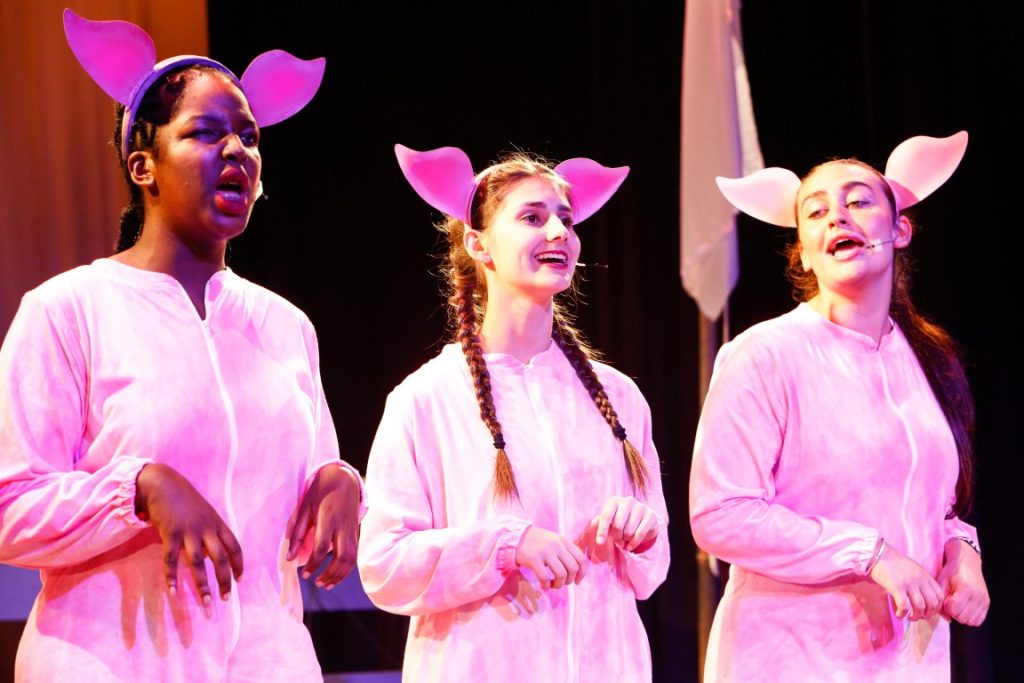
DRAMA CLASS OF 2023
85.42% St Anne’s Average
17 out of 19 achieved an A
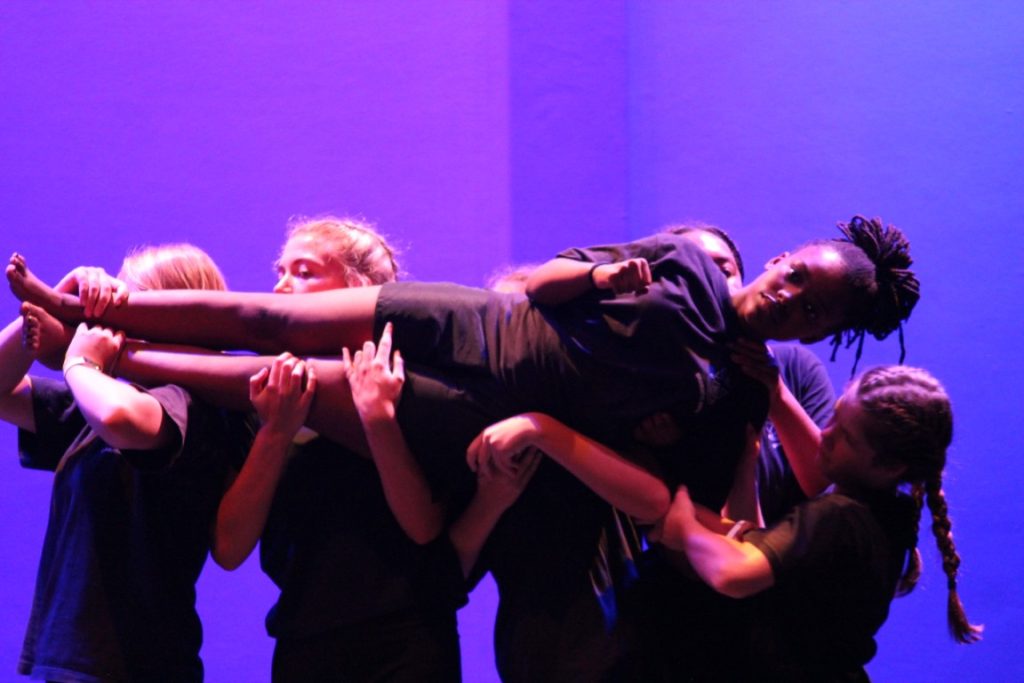
DRAMA CLASS OF 2022
82.13% St Anne’s Average
17 out of 24 achieved an A
DRAMA CLASS OF 2021
85.2% St Anne’s Average
16 out of 19 achieved an A
GRADE 12 GEOGRAPHY FIELD TRIP
By Mr Peter Crawford (Head of Geography)
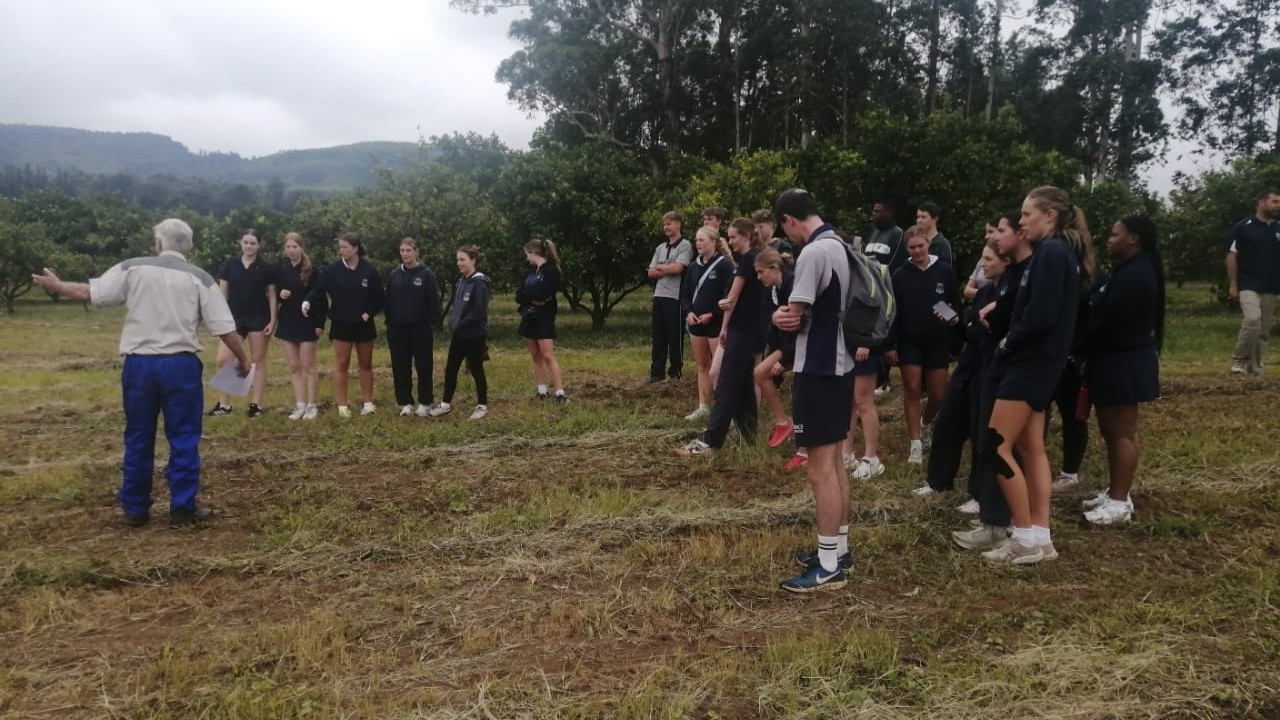
The Grade 12 Geography students, together with the matric class from Grace College, kicked off the year with an exciting Themes Day. They spent time exploring the IEB‑prescribed themes of citrus, gold, and the Eastern Cape. Mr Stan Solomon kindly hosted us on his farm at Shooters Hill in Otto’s Bluff and gave us a talk on the navel and Valencia oranges he grows on his farm. We got to walk through the orchard and the packhouse and think about the climatology of the area and how it relates to farming.
The second part of the day was an online talk on gold that was thoroughly prepared and expertly presented by Mr Senzo Khumalo, an experienced geologist. This was followed by some Geographic Information Systems (GIS) work on the Eastern Cape led by Mr Adrian Murray from Grace College, giving our girls hands-on skills in a GIS program.
We are extremely grateful to all these folk for sharing their expertise with us and giving our girls a memorable experience that has greatly enhanced their learning.
THE BIOLOGY OF LEARNING: INSIGHTS FROM BRAIN SCIENCE
By Mrs Jenny Raghoo (Head of Life Science)
Advances in neuroscience and cognitive psychology have significantly improved our understanding of how learning occurs at a biological level. Research now shows that learning is not simply the accumulation of information, but a physiological process involving structural and chemical changes within the brain. These findings are particularly relevant in education, as they inform more effective and scientifically grounded approaches to studying.
Central to learning is neuroplasticity, the brain’s capacity to reorganise itself in response to experience. When pupils engage repeatedly with information or practise a skill, synaptic connections between neurons are strengthened. This process underlies long term memory formation and explains why regular revision and active engagement are biologically more effective than passive exposure to content. Learning, therefore, reflects measurable changes in neural circuitry rather than fixed intellectual ability.
Memory formation involves several stages, including encoding, consolidation, and retrieval. While encoding occurs during learning, consolidation largely takes place after learning, particularly during sleep. During sleep, neural activity stabilises and integrates newly acquired information into existing memory networks. From a biological perspective, insufficient sleep disrupts this process, leading to weaker recall and reduced cognitive performance. This highlights sleep as a fundamental requirement for effective learning rather than an optional lifestyle factor.
Psychological strategies that are supported by brain research can enhance these biological processes. One such strategy is retrieval practice, which involves actively recalling information rather than rereading notes. Attempting recall activates memory networks more strongly and strengthens synaptic connections associated with the learned material. Similarly, spacing study sessions over time promotes repeated neural activation, which supports durable learning at a cellular level.
Another key insight from neuroscience concerns the adolescent brain. The prefrontal cortex, responsible for executive functions such as planning, impulse control, and sustained attention, continues to mature throughout the teenage years. This ongoing development explains why pupils may still be refining these skills. Structured routines, guided practice, and realistic expectations support the developing brain and optimise learning potential.
Taken together, these findings emphasise that effective learning is grounded in biology. Understanding how the brain changes with practice, rest, and retrieval allows students, parents, and educators to adopt strategies that align with how the brain is designed to learn. Education informed by neuroscience not only improves academic outcomes but also fosters healthier, more resilient students.
For further interest and reading:
National Institutes of Health. Sleep, learning and memory. https://pmc.ncbi.nlm.nih.gov/articles/PMC8893218/
Healthline – How to Rewire Your Brain: 6 Neuroplasticity Exercises
https://www.healthline.com/health/rewiring-your-brain
Harvard Health – Tips to Leverage Neuroplasticity
https://www.health.harvard.edu/mind-and-mood/tips-to-leverage-neuroplasticity-to-maintain-cognitive-fitness-as-you-age
MATRIC PHYSICAL EDUCATION TASK
By Mrs Meg Meeding (Head of Life Orientation)
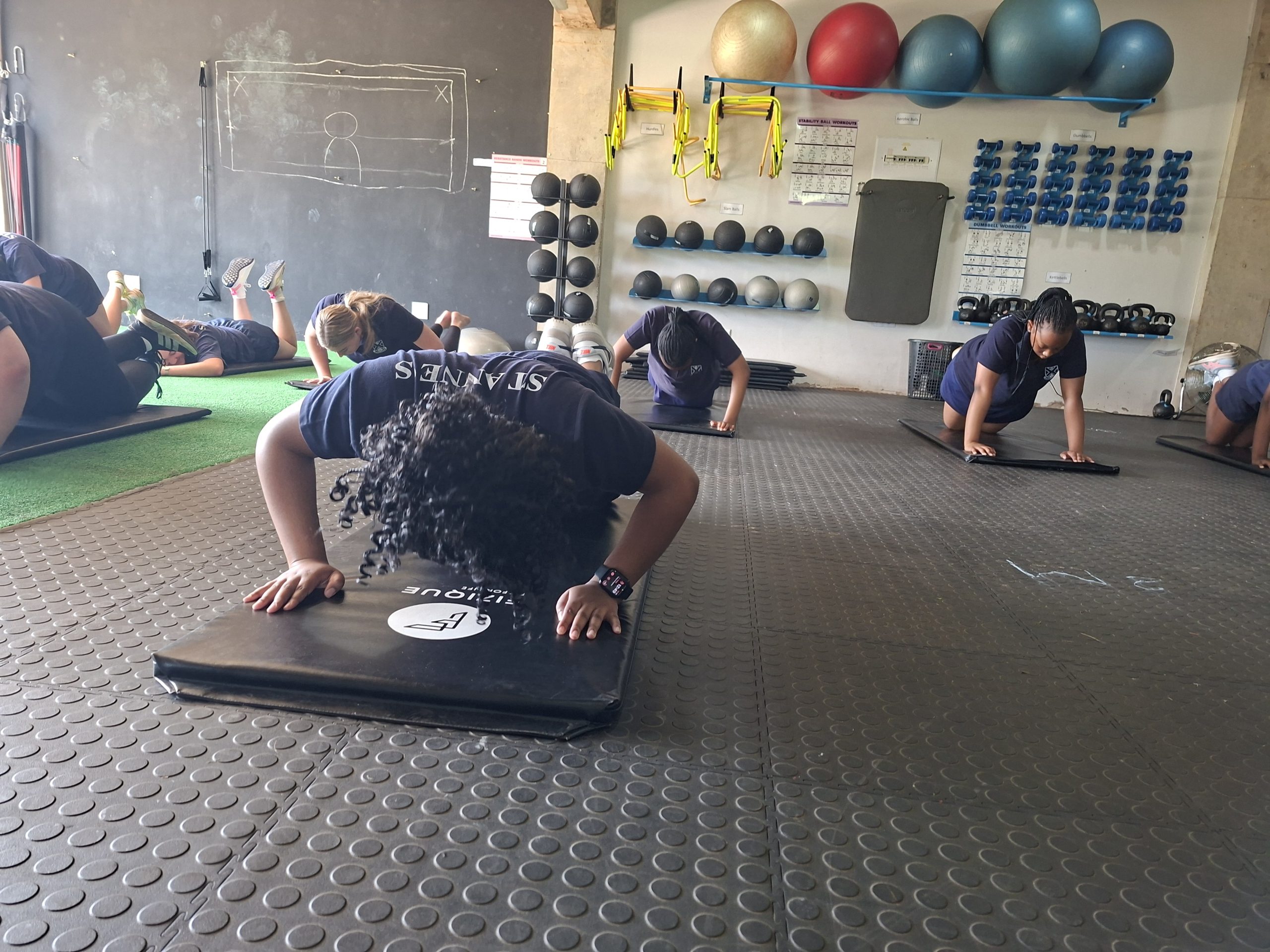
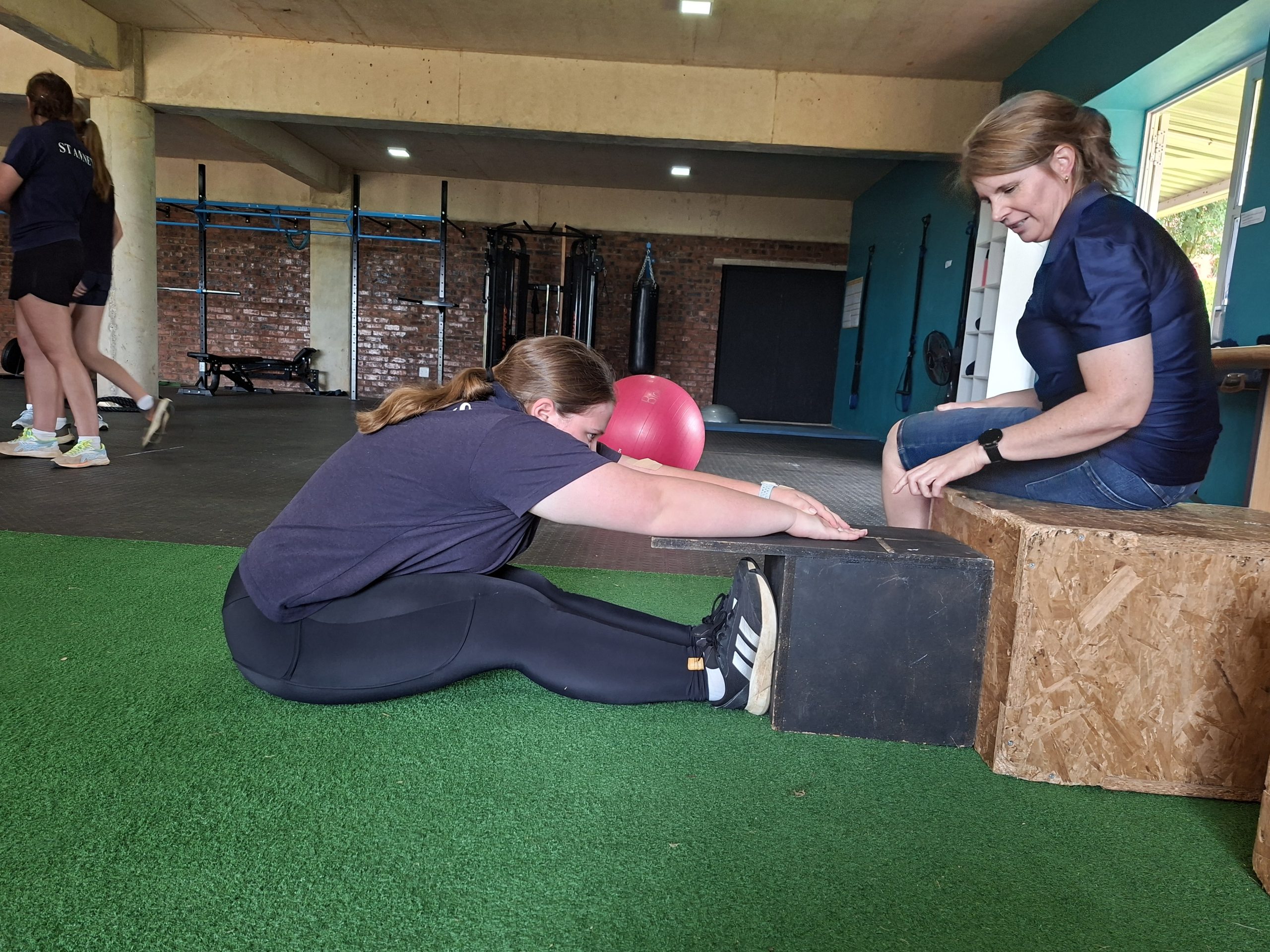
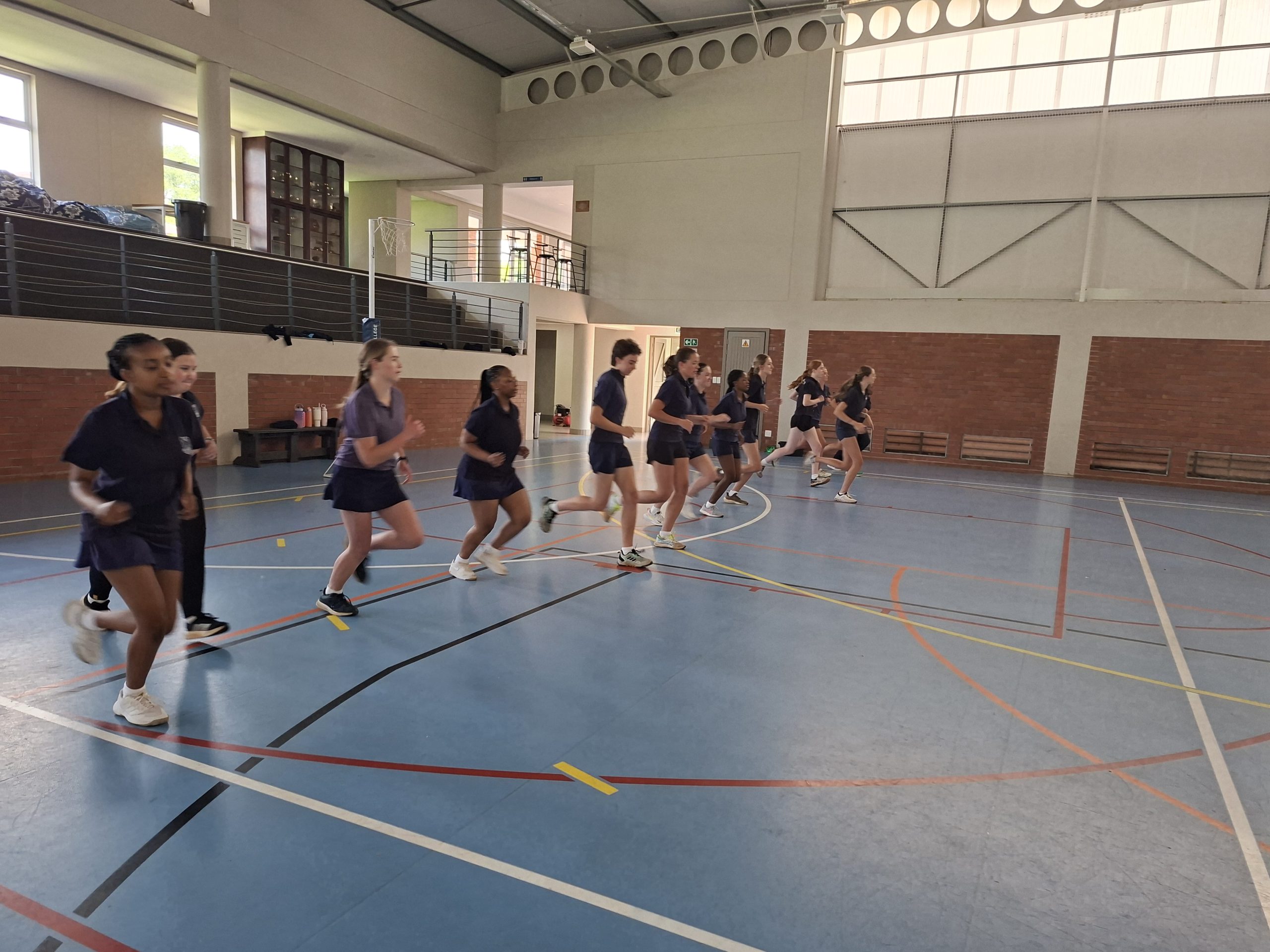
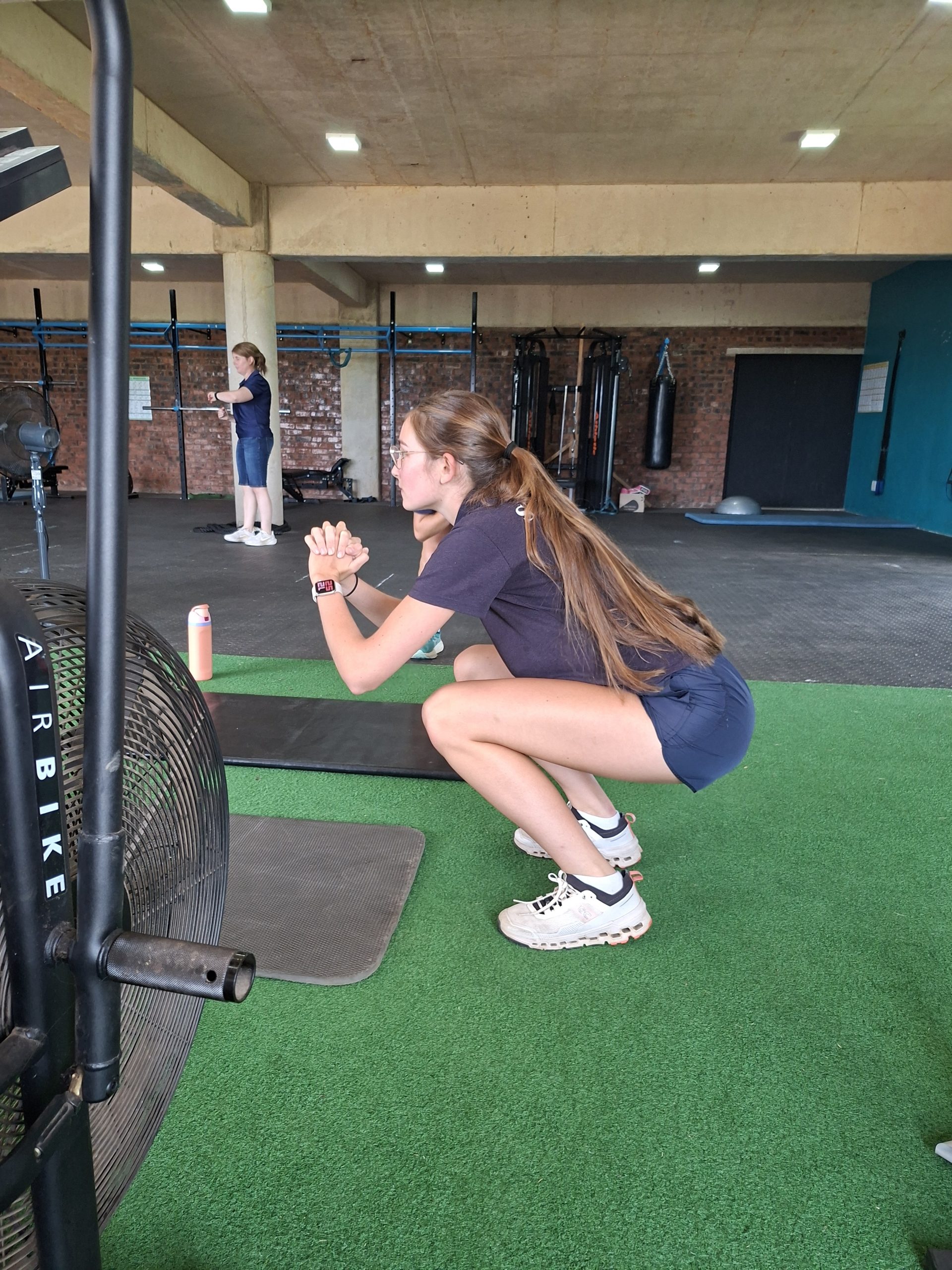
Last week, our Matrics began their Physical Education task, with a comprehensive fitness assessment made up of five components: squats, push ups, a plank hold, the Sit and Reach Flexibility Test and the Beep Test, which measures cardiovascular fitness, speed and endurance.
Over the next six weeks, the girls will follow a self-directed fitness program that incorporates regular physical exercise alongside supplementary wellness activities. A reassessment at the end of the six-week period, followed by a reflective piece, will allow the girls to recognise the impact that consistent physical activity can have on stress levels, physical and emotional health and overall wellbeing.
Good luck, girls. Get those takkies dirty. Make the most of our incredible gym and sports facilities. Train hard and enjoy the process! It is rather convenient that the task runs right up until the Matric Dance! You will be looking and feeling great.

WATER POLO
Warmest congratulations to the 2026 winners of the Brian Baker Water Polo Tournament, St Anne’s, who are bringing home the Brian Baker Shield and gold medals!
In an exciting final, St Anne’s defeated strong competitors Hudson Park High School with a 7–4 victory.
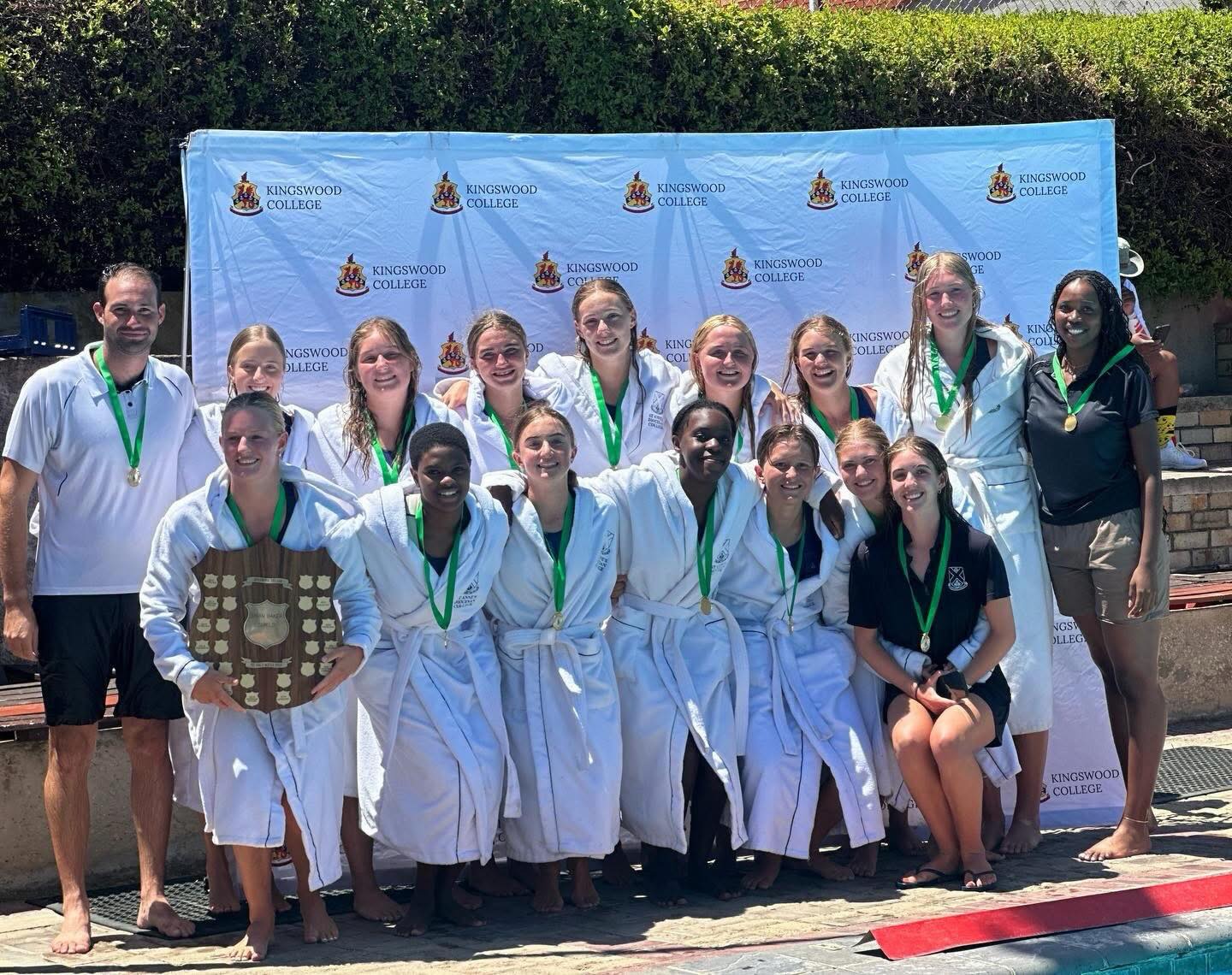
Well done, to Coach Wiid and the St Anne’s 1st Water Polo Team. We are so proud of you all.
THE PRESIDENT’S AWARD
By Mrs Bernese Hyde (President’s Award Coordinator)
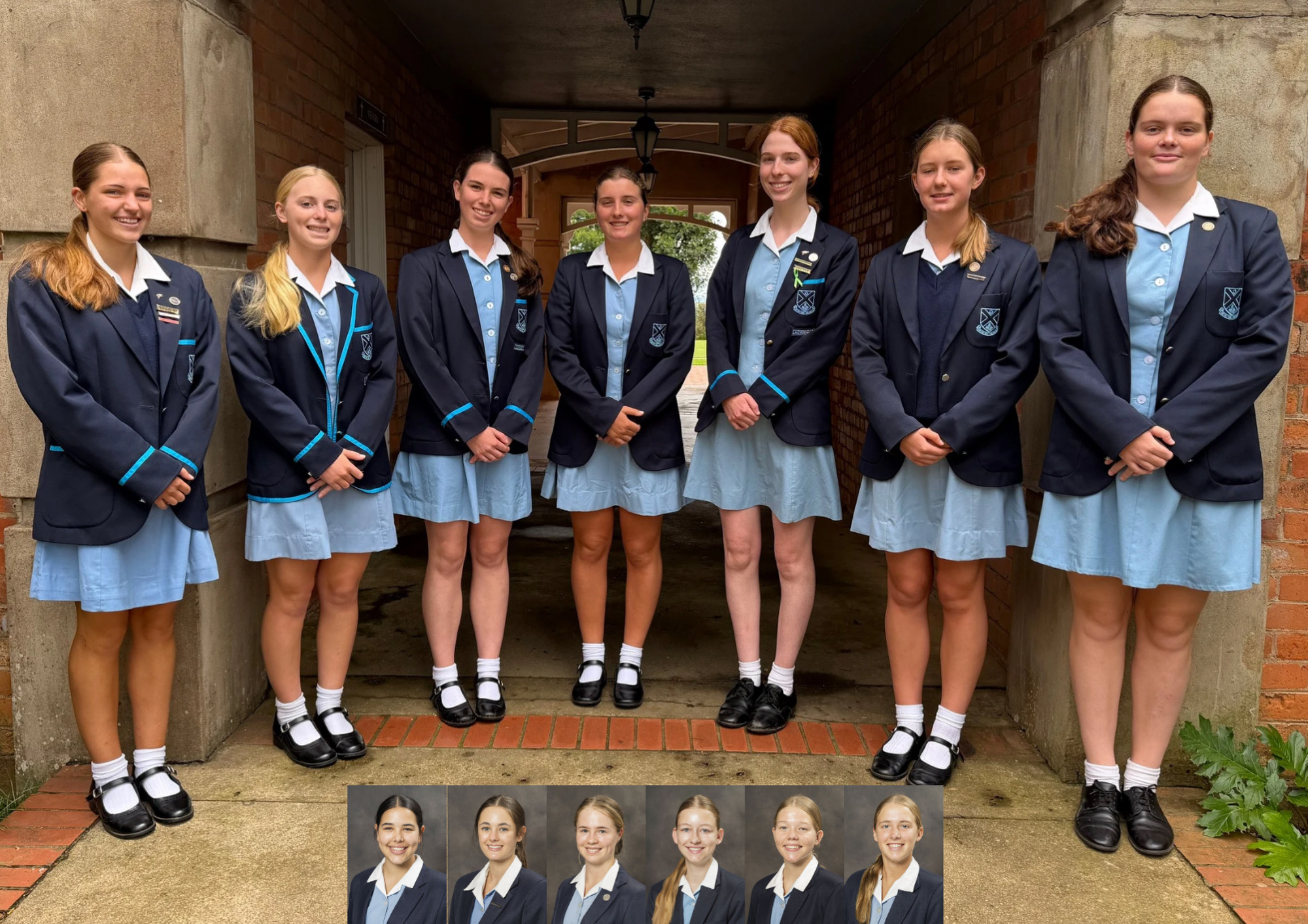
The President’s Award is a nationally and internationally recognised youth development programme, available to young people aged 14 to 24 from all backgrounds. The Award aims to equip youth with essential life skills, confidence, resilience, and a strong sense of responsibility through practical learning beyond the classroom.
Participants complete activities across key sections – Service, Skills, Physical Recreation, and Adventurous Journey – at Bronze, Silver, or Gold level, with the Gold Award including a residential project. We have 15 Bronze, 40 Silver and 3 Gold Awards currently registered.
The programme is not competitive; instead, it encourages personal growth, perseverance, and community involvement. Certificates are handed out on completion of each Level. At St Anne’s, girls can log hours for activities which they are currently doing. For example, any sport practices can be counted towards physical recreation, Service can come from being part of the STEPP programme or Enviro Club or being a library monitor. The Great Adventure, in Grade 9, can be counted towards the Adventurous Journey component.
Girls who are interested in participating, should complete the enrolment form here: Enrolments, and send the confirmation letter to [email protected]. Old Girls who are under the age of 25 are encouraged to complete their awards. Their profile can be transferred to another institution or it can remain with St Anne’s.
END OF TERM ARRANGEMENTS
Girls may be collected on Thursday 26 March from 14h00, and the greater Durban buses will depart at 14h00. We prefer for the Joburg bus to the Wanderers Club to travel in daylight and so it will depart on Friday 27 March at 06h30.
Flights may be booked to depart on Thursday 26 March from Durban’s King Shaka airport from 17h30, and to depart from Pietermaritzburg’s Oribi airport from 17h00. Alternatively, flights may be booked to depart on Friday 27 March from Durban from 10h30 or from Pietermaritzburg from 08h30.
The Grade 7s who have applied for Grade 8 in 2027 will be sleeping over at the end of this term, on Thursday 26 March, to write their benchmark tests. We would appreciate it if some senior girls could play a leadership role by assisting in each House with the arrangements for the Grade 7s. We value their positive influence, reassurance to the Grade 7s, and their general input. We have asked if some of them would be willing and able to stay in on the Thursday night, 26 March, to help with this important process.
